


Decking Cape Town: Top Materials & Expert Installations
Top Decking Materials for Cape Town Homes
Cape Town is globally renowned for its breathtaking landscapes, majestic mountains, and a climate that practically begs you to spend your time outside. Whether you are hosting a weekend braai, enjoying a sundowner with friends, or simply relaxing with a book, maximising your property’s potential with high-quality outdoor decking is a transformative home improvement project.
However, building the perfect cape deck requires careful consideration. The local climate—characterised by blistering summer sun, strong South-Easter winds, and wet winters—demands materials that can withstand the elements.
In this comprehensive guide, we will explore the top materials available, structural considerations, maintenance tips, and exactly how to bring your outdoor vision to life.

Choosing the Right Materials: Wood vs. Composite
The foundation of any great deck is the material you choose. Homeowners generally face a primary decision: traditional timber or modern composite.
The Classic Appeal of Timber Decking
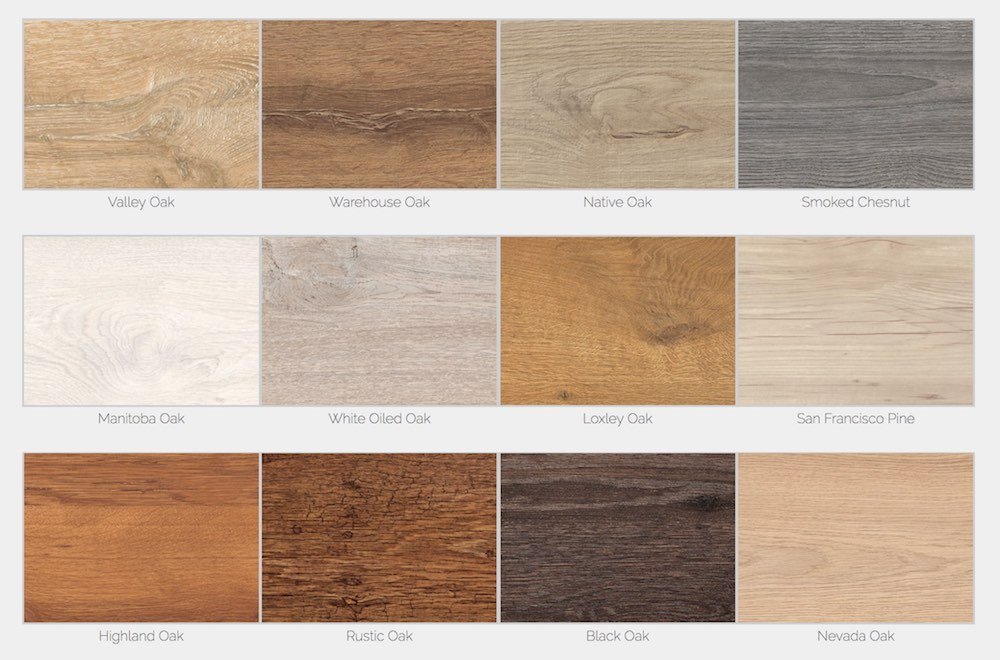
For many, nothing beats the natural, warm aesthetic of real wood. In Cape Town, hardwoods like Balau, Garapa, and Massaranduba are incredibly popular due to their density and natural resistance to the elements.
If you are exploring softer or imported woods, it is vital to understand pressure treated lumber vs cedar durability. Pressure-treated pine is highly cost-effective and treated with chemicals to resist insects and rot, making it a solid choice for substructures. Cedar, on the other hand, boasts natural oils that protect it against decay and moisture, offering a beautiful, aromatic finish, though it requires regular sealing to maintain its colour under the harsh African sun.
The Rise of Composite Decking
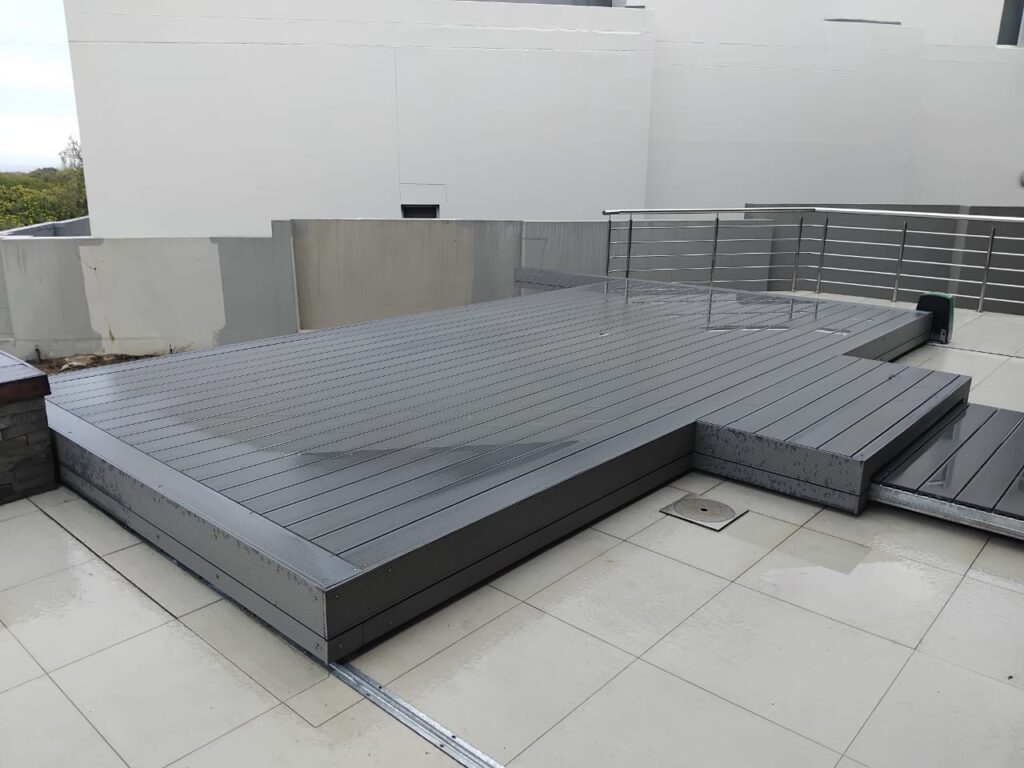
If you prefer spending your weekends relaxing rather than varnishing, composite materials are the way to go. The market for composite decking cape town has exploded in recent years, and for good reason. Engineered from a blend of wood fibres and plastics, composite boards are widely considered the best low maintenance deck materials available today.
Furthermore, environmentally conscious homeowners will be thrilled by the availability of eco-friendly recycled composite decking options. These boards divert thousands of tonnes of plastic waste from landfills while providing a splinter-free, fade-resistant surface that looks incredibly similar to natural timber.
Budgeting: Weighing the Costs
When planning your project, evaluating the composite vs wood decking cost is essential. Wood typically offers a lower initial price point. However, when you factor in the cost of annual sanding, sealing, and eventual board replacements, composite often wins out over a 10-to-15-year period.
While South African contractors usually quote per square metre, many homeowners doing online research encounter the average cost of deck installation per square foot. Regardless of the metric used, remember that your total investment will depend not just on the surface boards, but on the complexity of the design, the elevation, and the required substructure.
Designing for the Cape Town Lifestyle
Your deck should be a seamless extension of your home. Depending on your property’s layout, there are several ways to customise your build.
Poolside Perfection
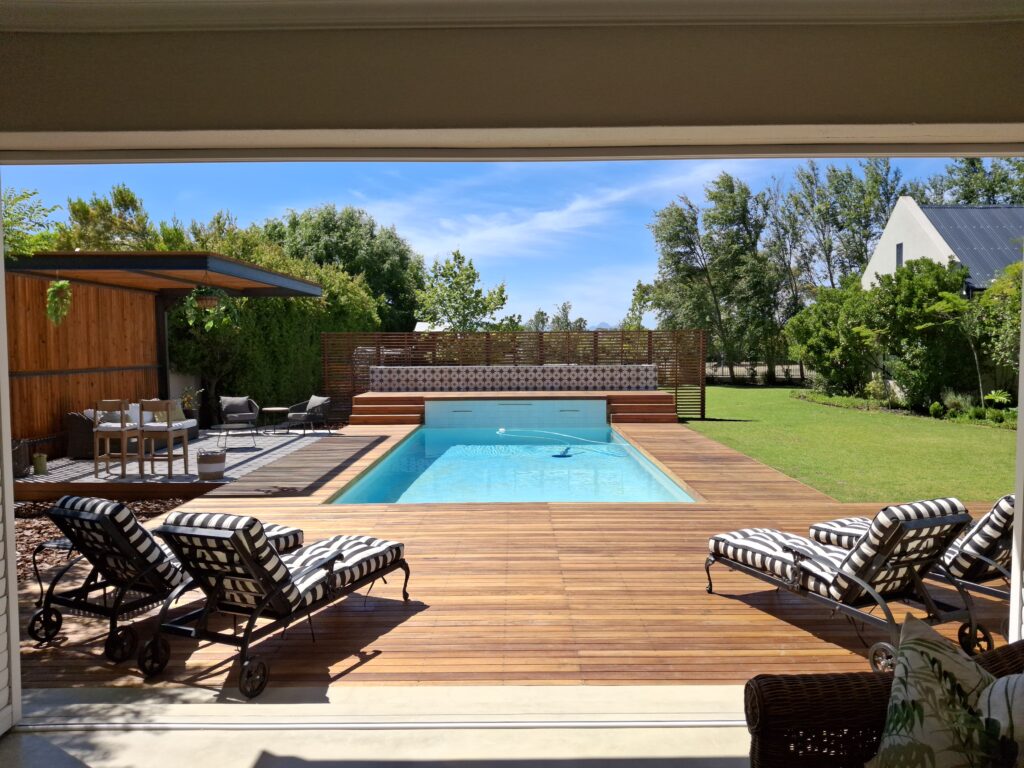
With hot summers comes the need for a refreshing dip. Pool decking cape town projects require specific material considerations. You need boards that are highly slip-resistant, capable of handling constant moisture, and resistant to pool chemicals or saltwater. Grooved composite boards or dense hardwoods like Garapa are excellent choices for these wet zones.
Topography and Elevation
Cape Town’s varied topography means backyards are rarely perfectly flat. This brings up the debate of ground level vs elevated deck construction.
- Ground Level Decks: Generally easier and faster to build. They often float just above the soil and create a beautiful transitional space between the back door and the lawn.
- Elevated Decks: Necessary for homes built on slopes (such as those along the Atlantic Seaboard). These require extensive structural support, deep footings, and careful engineering to ensure safety and stability.
Custom Upgrades
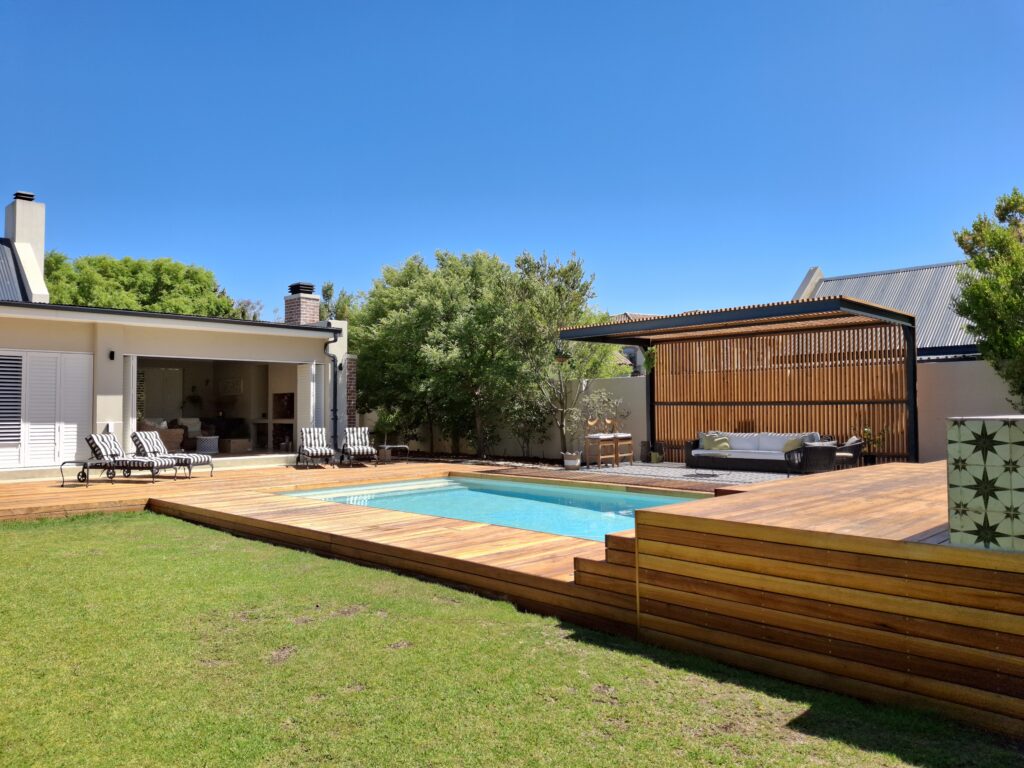
You can take your project to the next level by enhancing outdoor living with custom deck features. Consider integrating built-in planter boxes, continuous bench seating, privacy screens, or even recessed LED lighting to create a magical nighttime ambience.
For a sleek, barefoot-friendly finish, ask your builder about hidden deck fastening system benefits. Hidden fasteners eliminate visible screw heads on the deck surface, providing a smooth, flawless aesthetic while reducing the risk of moisture pooling in screw holes and causing rot.
The Nuts and Bolts: Construction and Compliance
A beautiful surface means nothing if the underlying structure is unsafe. Quality decking services will always prioritise the “bones” of your deck.
Structural Integrity
Adhering to strict structural deck framing requirements is non-negotiable. Your joists, beams, and posts must be adequately spaced and sized to support both the dead load (the weight of the deck itself) and the live load (people, furniture, and perhaps a hot tub). In coastal areas, using galvanised or stainless steel hardware is crucial to prevent rust.
Permits and Safety
Before breaking ground, you must navigate local municipal regulations. Depending on the height and size of your project, obtaining building permits for outdoor living spaces may be required by the City of Cape Town.
Additionally, if your deck is elevated, deck railing safety code compliance is mandatory. Balustrades must meet specific height requirements and be strong enough to withstand significant force, ensuring your family and guests are always safe.
Preserving Your Investment: Maintenance and Repairs
Even the most durable materials require some level of care to survive the Cape’s shifting seasons.
Your Yearly Routine
To keep your outdoor space looking pristine, follow this annual deck maintenance checklist:
- Sweep and Clear: Remove leaves, dirt, and debris from the surface and between the gaps to allow proper drainage.
- Wash: Use a mild detergent and a soft-bristle brush to scrub away grime. Be cautious with high-pressure washers, as they can splinter natural wood.
- Inspect: Walk the deck looking for loose boards, protruding screws, or unstable railings.
- Seal (Wood Only): Apply a high-quality UV-protective oil or sealant to wood decks to prevent greying and cracking.
Handling Wear and Tear
If you own an older home, you might be faced with the task of restoring a weathered wood deck. This process typically involves repairing loose components, aggressively cleaning with a wood brightener, sanding the surface back to bare timber, and applying a fresh coat of high-grade exterior oil.
During your inspections, keep an eye out for common deck rot signs and repairs. Look for wood that feels soft or spongy to the touch, dark discoloured patches, or a musty smell. If joists or support posts show signs of rot, they must be “sistered” (reinforced with new wood) or completely replaced immediately to prevent structural failure.
Bringing in the Experts
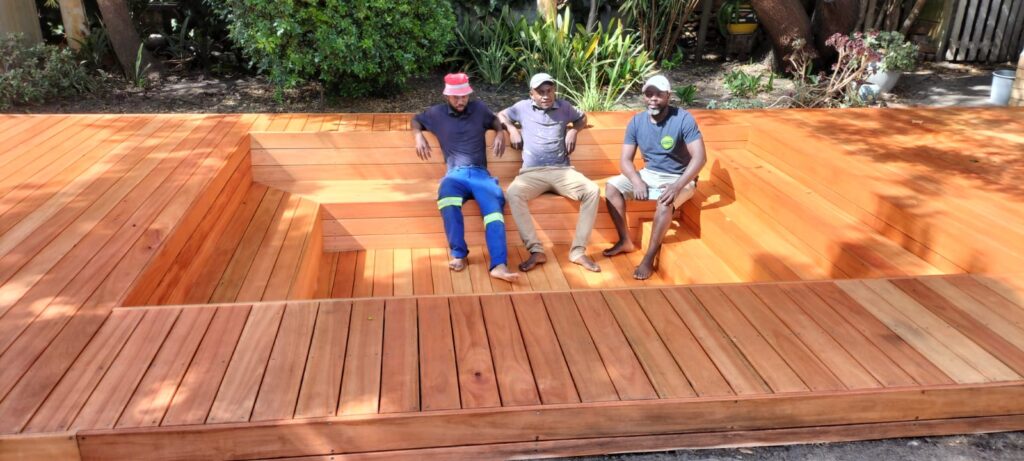
While a simple ground-level square might be a fun DIY project for a highly skilled enthusiast, elevated structures, pool surrounds, and high-end finishes require professional intervention. With so many deck companies operating in the Western Cape, choosing the right partner is critical.
How to Hire the Right Team
If you are wondering how to hire a professional deck builder, use these actionable tips:
- Check Portfolios: A reputable decking company cape town will gladly show you photos of recent projects similar to yours.
- Verify References: Speak to past clients. Did the crew arrive on time? Did they stick to the budget?
- Ask About Warranties: High-quality contractors offer warranties not just on the materials (which come from the manufacturer), but on their workmanship as well.
- Get Comprehensive Quotes: Ensure the quote includes all costs: site preparation, waste removal, framing, surface boards, and hardware.
By taking the time to vet contractors, you ensure that the decking cape town professionals you hire will deliver a structurally sound, visually stunning final product.

Conclusion
Creating the ultimate outdoor sanctuary is one of the most rewarding investments you can make in your property. From selecting the ideal materials—whether that’s rich, natural timber or high-tech, low-maintenance composite—to understanding structural compliance and ongoing care, every step plays a vital role in the longevity of your space.
By doing your research, understanding the unique demands of the local climate, and partnering with top-tier professionals, your new deck will provide decades of enjoyment. Ready to transform your backyard? Start reaching out to local experts today and turn your dream outdoor living space into a beautiful reality.