

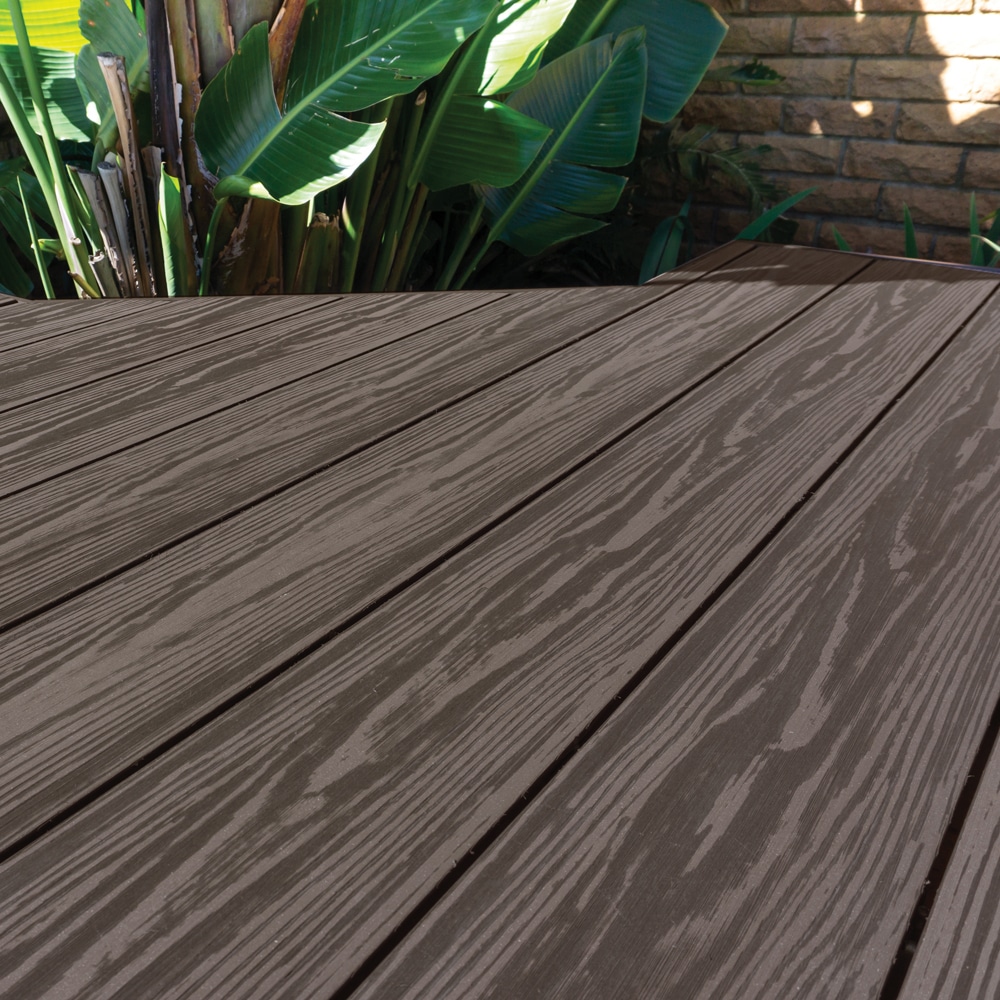
Hidden Deck Fasteners Cape Town: Premium Screw-Free Deck Finish
In premium decking, the finish is everything.
A beautifully designed deck can lose its high-end appeal when the surface is interrupted by rows of exposed screws, uneven fixing points, or visible nail heads. For Cape Town homeowners investing in luxury outdoor living, the expectation is no longer just a strong deck — it is a clean, architectural, polished deck that looks as refined as the rest of the home.
That is where hidden deck fasteners come in.
Also known as concealed deck fasteners or invisible deck fasteners, these systems are designed to secure decking boards to the substructure without leaving visible screws or nails on the surface. The result is a smoother, cleaner, more modern finish that has become one of the strongest trends in high-end decking.
At Decking Pro, we install decks across Cape Town with a focus on craftsmanship, durability, and premium detailing. For the right project, hidden deck fasteners can be one of the most effective ways to elevate the final result.

What Are Hidden Deck Fasteners?
Hidden deck fasteners are specialised fixing systems used to connect decking boards to the joists without driving screws directly through the top surface of the board.
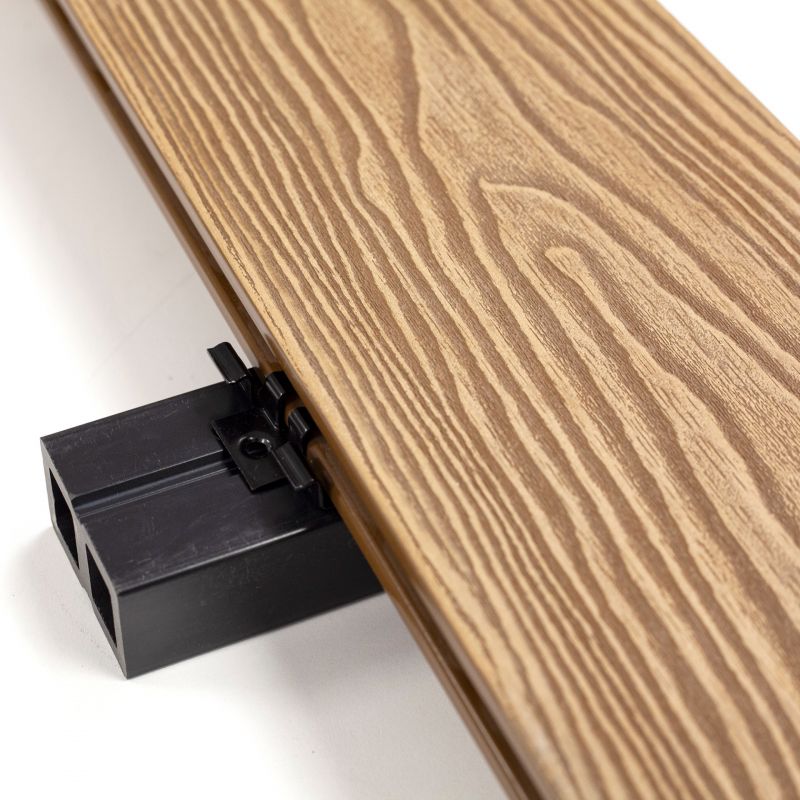
Instead of face-screwing through the visible deck surface, hidden fasteners are usually installed along the side or groove of the board. Once installed correctly, the fasteners are largely concealed between the decking boards, creating a screw-free deck surface.
This gives the deck a far more refined appearance, especially on premium installations where clean lines and consistent spacing matter.
Hidden deck fasteners are commonly available in different materials and designs, including plastic, composite, carbon steel, and stainless steel options. For coastal environments like Cape Town, stainless steel fasteners are often preferred because of their durability and corrosion resistance.
A local example is the EasyClip hidden deck fasteners from Somerset Timbers, which are designed to create a screw-free deck surface by holding decking boards from the sides.
Why Hidden Deck Fasteners Are Trending in Cape Town
Cape Town homeowners are placing more value on outdoor spaces that feel intentional, architectural, and connected to the home. Decks are no longer treated as simple add-ons. They are outdoor living areas, poolside entertainment zones, braai spaces, balcony extensions, and luxury lifestyle features.
That shift has made surface finish more important.
Visible screws may still be functional, but on a premium deck, they can look dated. They interrupt the natural grain of hardwood, break the clean rhythm of composite boards, and make the installation feel less refined.
Hidden fasteners solve that problem by creating a smooth, uninterrupted deck finish.
For high-end properties, this small detail makes a major visual difference.

The Main Benefits of Hidden Deck Fasteners
1. A Cleaner, More Polished Deck Surface
The biggest benefit of hidden deck fasteners is the appearance.
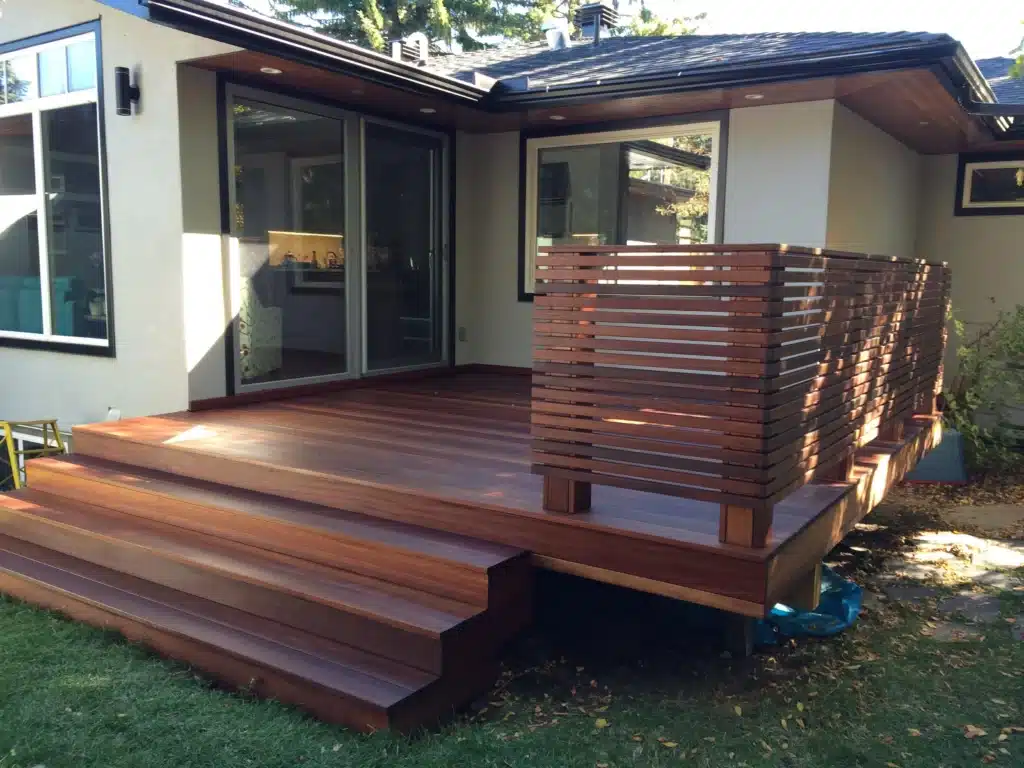
With no visible screws or nails on the surface, the deck has a cleaner and more seamless look. This is especially important when working with premium materials such as Garapa, Balau, Massaranduba, Teak, or high-quality composite decking.
A screw-free finish allows the beauty of the decking boards to stand out without visual interruption.
For modern Cape Town homes, this works particularly well with:
- Frameless glass balustrades
- Minimalist pergolas
- Pool decks
- Contemporary outdoor entertainment areas
- Dark composite decking
- Hardwood decks with natural grain movement
- High-end architectural landscaping
A polished finish helps the deck feel designed, not merely installed.

2. No Exposed Nails or Screw Heads Underfoot
Exposed fixings are not only a visual issue. They can also become a practical problem over time.
On traditional timber decks, nails or screws can sometimes rise slightly due to board movement, seasonal expansion, contraction, moisture exposure, or general wear. This can create uncomfortable points underfoot and, in some cases, a trip or snagging hazard.
Hidden fasteners reduce this problem because the fixing system is positioned away from the main walking surface.
This is particularly valuable for:
- Barefoot entertainment areas
- Family homes
- Homes with children
- Homes with pets
- Guest houses, lodges, and hospitality spaces
A premium deck should not only look good. It should feel good to walk on.
3. Consistent Board Spacing
One of the signs of a professional decking installation is consistent spacing between boards.
Hidden clip systems help create a more uniform gap between boards, which contributes to the deck’s overall precision and symmetry. This improves the visual finish, but it also supports practical performance because decking boards need space for ventilation, drainage, and natural movement.
Clean spacing matters even more in Cape Town, where decks are often exposed to a mix of sun, wind, rain, pool splash, and coastal air.
A good deck is not just about the surface board. It is about the entire installation system working correctly.
4. Secure Holding Power
A quality hidden fastener system is designed to hold decking boards securely while allowing for natural expansion and contraction.
Decking is always moving. Timber and composite boards respond to temperature, moisture, humidity, and exposure. A proper fastener system must account for this movement while still keeping the deck stable and safe.
This is why choosing the right fastener matters.
Cheap clips, incorrect screws, poor spacing, or the wrong system for the board profile can compromise the deck. A premium finish still needs a strong technical foundation.
At Decking Pro, we always assess the deck design, board type, substructure, ventilation, drainage, and exposure conditions before recommending the best fastening method.
5. Easier Board Replacement in Many Systems
Another advantage of many hidden deck fastener systems is that they can make individual board replacement more practical.
If one board becomes damaged, stained, or compromised, certain systems allow sections of the deck to be accessed without destroying the entire surface. This is useful for long-term maintenance, especially on larger decks or commercial outdoor spaces.
This does not mean every hidden fastener system works the same way. Different products have different installation methods. However, compared to poorly installed face-screwed decks, a well-selected hidden fastener system can make future maintenance cleaner and more manageable.
Hidden Fasteners vs Traditional Deck Screws
Traditional face screws are installed directly through the top of the decking board into the joist below. This method is strong, familiar, and often still the best choice for certain decking conditions.
Hidden fasteners, by contrast, are installed below or beside the visible surface. They are chosen mainly for their clean aesthetic and premium finish.
Here is the practical difference:
| Feature | Hidden Deck Fasteners | Traditional Deck Screws |
|---|---|---|
| Surface appearance | Clean, screw-free finish | Visible screw heads |
| Premium aesthetic | Excellent | More functional-looking |
| Barefoot comfort | Very good | Can be affected by raised screws |
| Board spacing | Usually more consistent | Depends on installer precision |
| Holding strength | Strong when correctly specified | Very strong when correctly installed |
| Best use | Premium decks, clean finishes, suitable board profiles | Low decks, high-movement boards, certain hardwoods, structural restraint |
| Maintenance | Can allow easier board replacement in some systems | Simple but visible fixing points |
The right choice depends on the deck.
A hidden fastener system is not automatically better in every situation. It is better when the deck design, board selection, ventilation, drainage, and site conditions support it.
When Hidden Deck Fasteners Are a Good Choice
Hidden fasteners are best suited to projects where the deck has enough height, airflow, drainage, and board stability.
They are often a strong choice for:
- Premium residential decks
- Pool decks with a luxury finish
- Entertainment decks
- Composite decking systems
- Narrower, thicker deck boards
- Well-ventilated deck structures
- Decks with good drainage below
- Projects where clean aesthetics are a priority
They are especially useful when the client wants the deck to feel high-end, minimal, and architectural.
In simple terms: if the finish matters, hidden fasteners should be considered.
When Hidden Deck Fasteners May Not Be the Best Choice
Hidden fasteners are excellent, but they are not suitable for every deck.
There are situations where traditional stainless steel face screws may be the better option. These include:
- Decks built very low to the ground
- Decks without proper ventilation
- Areas where water does not drain correctly below the deck
- Boards that are prone to cupping or warping
- Certain exotic hardwoods with excessive movement
- Wider boards that need stronger restraint
- Installations where structural grip is more important than a screw-free surface
This is where professional judgement matters.
A deck can look beautiful on day one but fail early if the wrong fixing method is used. The best decking installation is the one that balances aesthetics with long-term performance.
Why Ventilation and Drainage Matter
Cape Town decks are exposed to tough outdoor conditions. Sun, rain, wind, salt air, and pool water can all affect how decking boards behave over time.
Hidden fasteners allow the boards to move more naturally, but this also means the deck must be detailed properly underneath. Without adequate ventilation and drainage, moisture can become trapped below the deck. This can increase the risk of board movement, cupping, warping, mould, mildew, or substructure problems.
That is why the substructure is just as important as the surface finish.
Before choosing hidden fasteners, Decking Pro considers:
- Deck height
- Joist spacing
- Airflow below the deck
- Ground drainage
- Board width and thickness
- Timber species or composite board profile
- Pool exposure
- Coastal exposure
- Expansion and contraction requirements
A screw-free finish only works properly when the technical foundation is correct.
Hidden Fasteners for Hardwood Decking
Hardwood decking is popular in Cape Town because of its natural beauty, strength, and premium appearance. Species such as Garapa, Balau, Massaranduba, and Teak can create exceptional outdoor spaces when installed correctly.
However, hardwoods also require careful fixing.
Some hardwoods move more than others. Some are denser and require pre-drilling. Some need more restraint. Some may not be ideal for certain hidden fastener systems.
For hardwood decking, the fastener choice must be matched to the board profile, board width, site exposure, and expected movement.
A hidden fastener can create a beautiful finish on hardwood, but it must be specified correctly.
Hidden Fasteners for Composite Decking
Composite decking often works very well with hidden fastener systems because many composite boards are manufactured with grooves that are designed to accept clips.
This makes composite decking a strong option for homeowners who want a modern, low-maintenance, screw-free outdoor surface.
The result is a clean, uniform deck with consistent board spacing and minimal visual interruption.
For Cape Town homeowners looking for a premium, low-maintenance outdoor finish, composite decking with hidden clips can be a very effective solution.
Are Hidden Deck Fasteners Worth It?
For the right project, yes.
Hidden deck fasteners are worth considering when the goal is a premium finish, smoother surface, cleaner board lines, and a more refined outdoor living space.
They are especially valuable when the deck is part of a high-end home, pool area, entertainment zone, balcony, or architectural outdoor upgrade.
However, they must be used correctly.
The wrong fastener system, poor installation, insufficient ventilation, or unsuitable board selection can lead to performance issues. Hidden fasteners should never be chosen only because they look good. They should be chosen because they suit the deck’s design and technical requirements.
That is the difference between a deck that looks good for a few months and a deck that performs beautifully for years.
Why Professional Installation Matters
A hidden fastener system requires accuracy.
The spacing must be right. The joists must be prepared properly. The boards must be aligned correctly. The expansion gaps must be respected. The fasteners must be compatible with the board material. The substructure must allow for airflow and drainage.
Small mistakes can affect the final finish.
Professional installation gives you:
- Straighter board lines
- Cleaner spacing
- Better fixing consistency
- Reduced risk of board movement issues
- Better long-term performance
- A more premium final result
At Decking Pro, we do not treat fixing systems as an afterthought. The fasteners, substructure, board choice, and finishing details all form part of the same build strategy.
That is how you get a deck that looks clean, feels solid, and performs in Cape Town’s outdoor conditions.
Frequently Asked Questions About Hidden Deck Fasteners
What are hidden deck fasteners?
Hidden deck fasteners are fixing systems that secure decking boards to the joists without leaving visible screws or nails on the deck surface. They are also called concealed deck fasteners or invisible deck fasteners.
Are hidden deck fasteners better than screws?
They are better for appearance, barefoot comfort, and a clean premium finish. However, traditional screws may still be better for certain low decks, poorly ventilated areas, wide boards, or high-movement timber. The best option depends on the deck design and site conditions.
Can hidden fasteners be used on hardwood decking?
Yes, but only when the fastener system is compatible with the timber species, board profile, and expected board movement. Some hardwoods require more restraint and may be better suited to face screws in certain conditions.
Can hidden fasteners be used on composite decking?
Yes. Many composite decking boards are designed to work with hidden clips, making them a popular choice for screw-free composite deck installations.
Are hidden deck fasteners safe?
When specified and installed correctly, hidden deck fasteners provide secure holding power and create a smoother surface without exposed screw heads or nails. This can improve comfort and reduce snagging or tripping issues caused by raised fixings.
Do hidden fasteners make maintenance easier?
Some hidden fastener systems allow individual boards to be replaced more easily. This depends on the specific fastener system and how the deck was installed.
Are hidden deck fasteners suitable for pool decks?
Yes, they can be suitable for pool decks, provided the board material, fastener type, drainage, ventilation, and substructure are correctly specified for wet and high-exposure conditions.
Ready to upgrade your outdoor area?
Contact Decking Pro for professional decking installation in Cape Town and the Western Cape.